
Reflection
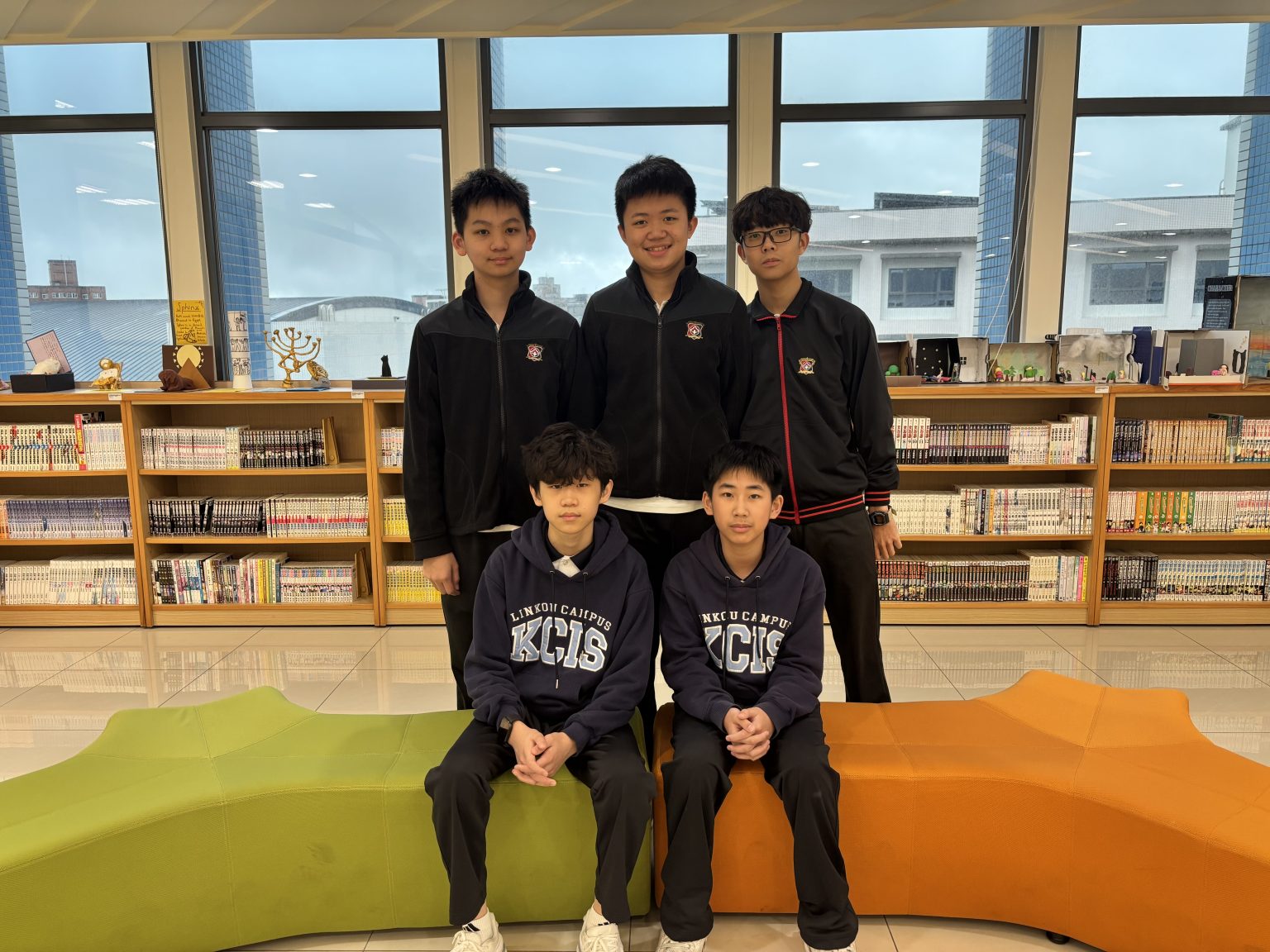
Eric Chen
During this CyberFair project, I learned many things and also discovered my own weaknesses. At first, I thought doing a project only meant collecting information and organizing content. However, when we started building the website, I realized that web design is actually a professional skill. Because we did not have much experience with layout design, page structure, or user reading experience, our first version looked messy. The image sizes were not consistent, and the text was not clear enough. This made me understand that even good content is hard to understand without clear presentation.
During the process, we kept revising our layout and adjusting paragraph structures to make the information more organized. We also looked at previous students’ projects to improve our design. Although it took a lot of time, I slowly realized that a website is not just for showing information — it needs logic, visual balance, and consideration for the reader. This experience taught me patience and attention to detail, and it improved my digital skills.
In addition, through interviews and research, I gained a deeper understanding of how semiconductors influence the world and why teamwork is so important. This project helped me realize that true learning does not happen in one step, but through revision and reflection. In the future, if I work on a similar project, I will pay more attention to early planning and design skills.
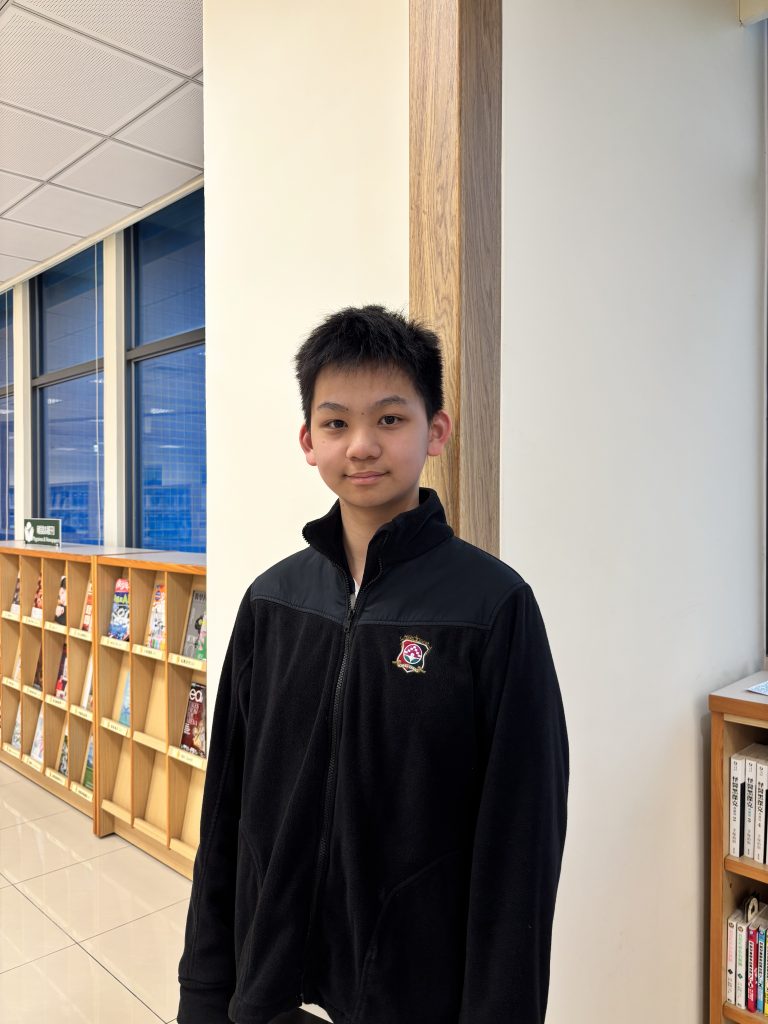
Hank Huang
During the CyberFair project, I gained many different knowledge and skills about chip production and chip history. At first, I thought chips were produced in this way with relaxing emotion. However, when I got deeper and deeper into Semiconductor, I knew that Semiconductor has developed for almost 70 years and it could not have any small problems, because this might affect how it works. This made me shocked and think this is unbelievable, how can a simple industry need such quality.
During the middle of the project, conflicts as quick as water fountains appeared and there were some main conflicts on the way of searching information, writing poster, and interviews with the semiconductor expert. For example, the wifi connection is not stabilized, so we can’t find enough information to improve our argument/point of discussion. Writing poster is another challenge for me. We don’t have enough experience of making an interview poster connect with different information, but we improve the skill. Because we take some time to ask for the expert of writing a good poster to help. As the progress went, we got better and better.
Due to technological achievement, semiconductor manufacturing was indispensable. Semiconductors have helped improve AI, internet, electric vehicles, and computing. It propelled us into the AI era, so it made us very dependent on AI and semiconductors. We need to appreciate past experts.
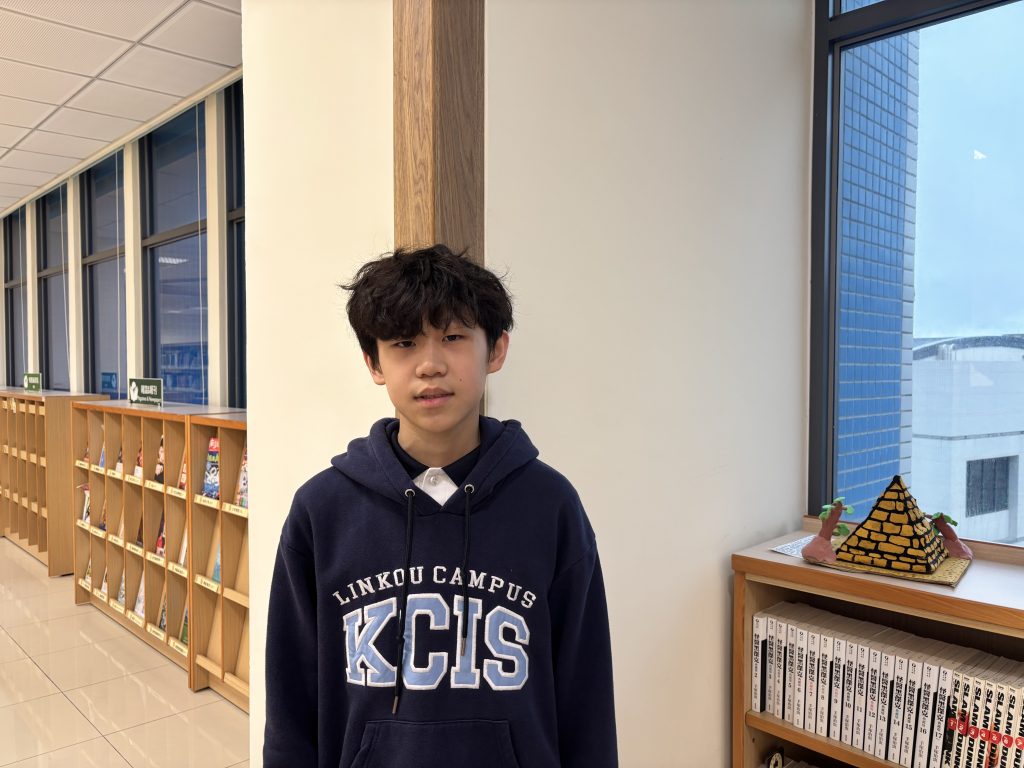
Oscar Kuo
The result of this project is obviously massive, it is not only limited in knowledge, but also my own ability in research and creativity. At first when I was conveyed to complete the website, I thought it would be a nightmare. But after I finished it, the only thought that came to my mind was that this is so easy, the drag and drop tool simplifies the process so much, thanks to Elementor. However, the real nightmare comes during the research. Deep into an industry that I don’t even heard of is like finding a needle in the vast ocean, I remember that I finally found the right information after 2 full weeks of searching. This is when creativity contributes to our project. I learned that to find the exact information, I need to imagine what’s related to the topic, so that I can find the exact thing I want.
Then it comes to the interview section. During the interview, we invited three professionals; two of them chose online meetings and one chose to reply to our message about the questions. The details about deeper industry knowledge they give us are absolutely shocking. We learn more about the requirements for producing a micro wafer, the water usage for the factories are very large.
After these experts’ explanations, it’s time to arrange the enormous amount of information. As a team, we work together to make the information into short, verified, and easy to understand passages so that it would be more clearer. This process taught us the importance of teamwork, communication, and also our critical thinking skills.
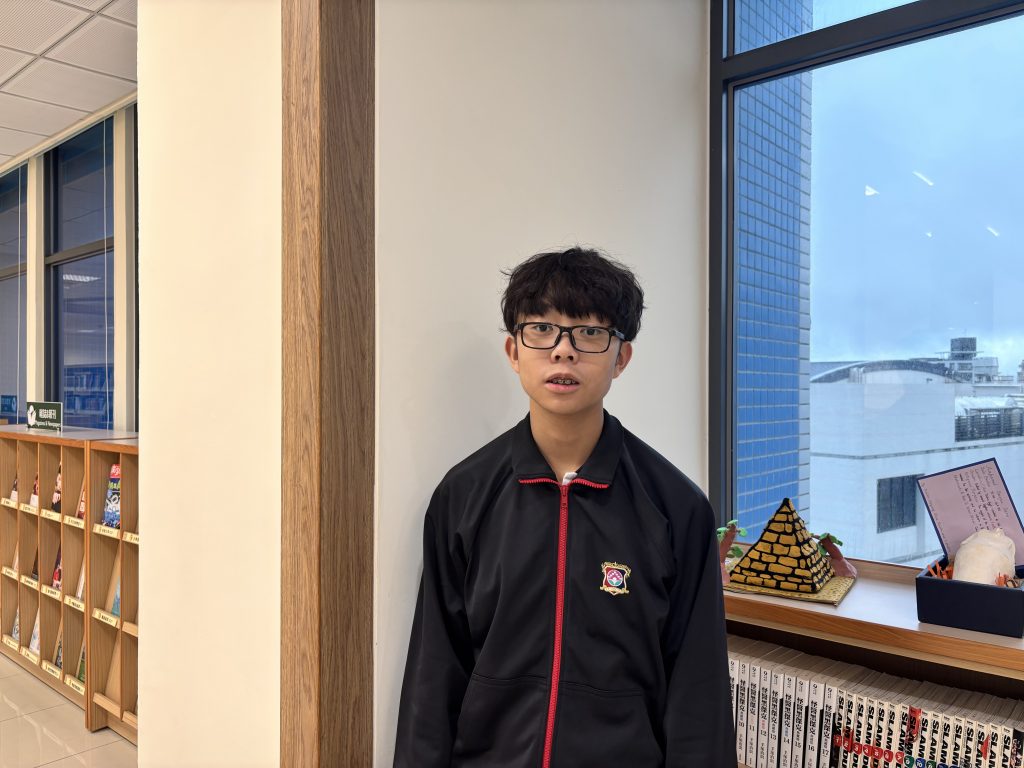
Overall, this project helped me to develop not only knowledge about semiconductors , but also important skills such as research, creativity, collaboration, and problem solving. Through this experience, I learned that difficult tasks often become easier once we start working on them step by step. More importantly, I realized that learning about real-world industries can help us better understand how technology connects our daily lives with the global community.
Aidan Fan Chiang
During this research process, I also gained new knowledge about chip production and basic manufacturing steps. I corrected some misunderstandings about Taiwan’s semiconductor industry. At first, I thought chips were just small parts inside electronic devices. Later, I learned how important they are for precision instruments and electronic systems, and how essential they are in daily life.
For our research methods, we mainly collected online information, read professional articles, and watched educational videos to understand the material properties and real-world applications of ePTFE. We focused on the semiconductor industry’s high standards for cleanliness and contamination control, and we organized the information into simple explanations that most people could understand. We also compared ePTFE with other materials to better understand why it is widely used in wafer storage and transportation containers.
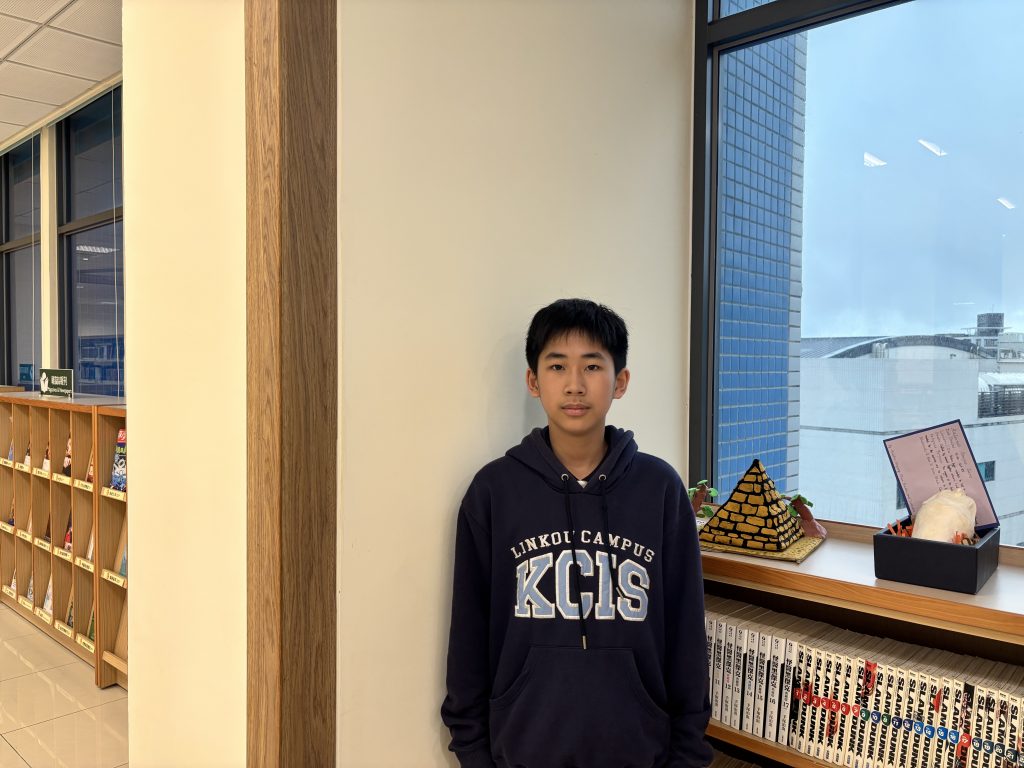
Overall, this CyberFair project helped us understand the high level of precision and care required behind the semiconductor industry. It also increased our interest in materials science and engineering. In the future, we hope to explore other key materials used in semiconductor manufacturing or even visit related companies to experience the industry more directly, so that our learning goes reading information and becomes closer to the real world of technology.
Shawn Lin
At the beginning of the CyberFair project, I thought the job we needed to do was simply to collect information from experts and organize it into a website. However, as we started building the website, I realized that the task was not as easy as I had imagined. The main reason was that none of us had experience in designing or organizing a website. At first, our pages looked messy and unclear. Later, we improved our work by looking at other groups’ projects and spending a lot of time revising our layout and content. This experience taught me that clear design and careful organization are very important if we want readers to understand our ideas easily.
This project also changed my understanding of technology. I used to think that the chips inside phones and computers were just small parts that were not very noticeable. However, I later learned that producing these chips requires a great amount of time, effort, and professional knowledge from many experts. I also discovered that special materials are used in semiconductor manufacturing, and factories must maintain extremely clean environments to prevent contamination and ensure high quality.
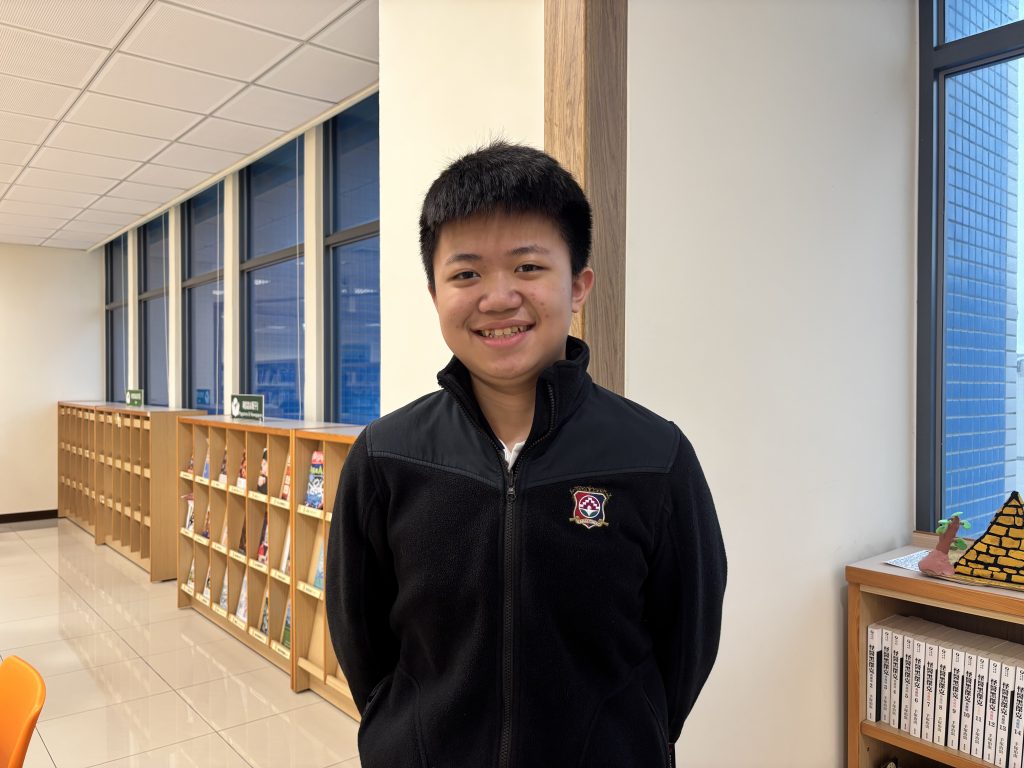
Through this project, I gained a deeper understanding of how the semiconductor industry works and why it is so important to modern technology and daily life. I also learned the importance of teamwork, patience, and careful research. In the future, I hope to improve my skills in both research and digital design so that I can present information more clearly and effectively.