Human Practices & Impact
Taiwan’s semiconductor industry is a cornerstone of modern technology and a vital part of the global economy. While chips are tiny, their influence is enormous—shaping daily life, driving innovation, and connecting countries across the world. Semiconductors are essential for devices like smartphones, laptops, electric vehicles, medical equipment, and artificial intelligence systems. Without Taiwan’s advanced chip production, the global tech supply chain would face major disruptions.
Economic Impact
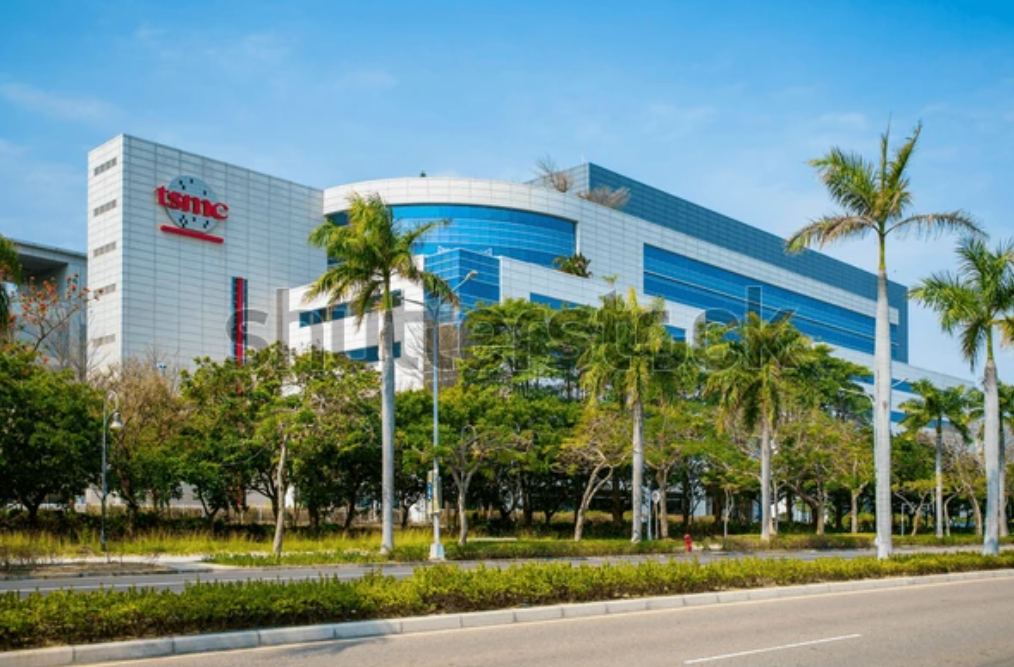
The semiconductor industry contributes around 25% of Taiwan’s GDP, making it one of the country’s most important economic sectors. It supports thousands of jobs in engineering, research, production, and logistics, while also stimulating local businesses that supply materials, equipment, and services to factories. The concentration of companies in Hsinchu, Tainan, and Taichung science parks has created industrial clusters, allowing smaller businesses to thrive alongside giants like TSMC and UMC. These clusters also attract foreign investment and partnerships, strengthening Taiwan’s role in the global technology ecosystem.
Social and Educational Impact

Semiconductors rely heavily on skilled human capital. Taiwan invests in STEM education to develop future engineers and researchers, offering university programs, vocational training, and high school courses focused on chip technology. Programs like internships, international collaborations, and research partnerships help students apply classroom knowledge in real-world manufacturing and design. This focus on education ensures that innovation continues across generations and supports the growth of a highly trained workforce that can compete globally.
Global Influence and Cooperation

Taiwan’s chips reach countries around the world, powering devices and technologies that millions rely on daily. The industry exemplifies global collaboration, as companies across nations depend on Taiwanese semiconductor expertise to design, manufacture, and test advanced chips. By supplying high-performance logic chips and memory to the global market, Taiwan strengthens international cooperation in areas like communications, AI, healthcare, and transportation. This creates a network where technology, knowledge, and resources are shared across borders, demonstrating the CyberFair theme, Contribute and Unite.
Sustainability and Responsibility

Despite being a high-energy and high-water industry, Taiwan’s semiconductor sector actively implements environmental and sustainability practices. Water is recycled at rates above 90%, energy-efficient manufacturing techniques reduce electricity consumption, and renewable energy is increasingly used to power factories. Companies also work to reduce chemical waste and carbon emissions, setting an example for responsible industrial development worldwide. This balance of production, innovation, and environmental responsibility shows how Taiwan not only contributes to global technology but also considers long-term sustainability.
Societal Impact and Technology Access